A burst pipe is one of the most stressful things that can happen in a home. Water is pouring out, damage is spreading by the second, and you have no idea where to start. The good news is that if you act fast and follow the right steps, you can stop most of the damage before it gets out of hand.
This guide walks you through exactly what to do when a pipe bursts — from the moment you notice it to the call you need to make to get it fixed.
Step 1: Shut Off the Water Immediately
The very first thing you need to do is stop the water at the source. Every second that water flows freely means more damage to your floors, walls, ceilings, and belongings.
Find your main water shut-off valve and turn it off. In most homes, this is located in one of the following places:
- In the basement, near the water heater
- In a utility room or crawl space
- Outside the home near the foundation
- In the garage
- Near the street in a covered underground box
Turn the valve clockwise (righty-tighty) until it stops. This cuts off water to the entire house.
If you’re not sure where your shut-off valve is, now is a good time to find out — before an emergency happens. Walk through your home and locate it today.
Step 2: Turn Off the Electricity in Affected Areas
Water and electricity are a deadly combination. If the burst pipe is near any electrical outlets, light fixtures, appliances, or your electrical panel, you need to cut the power to those areas immediately.
Go to your breaker box and turn off the circuits for any rooms affected by the water. If you’re not sure which circuits to turn off, or if water is near your breaker box itself, do not approach it — call an electrician and stay out of the area.
Step 3: Drain the Remaining Water
Even after you shut off the main valve, there’s still water sitting in your pipes. To reduce pressure and minimize further leaking, drain the system:
- Turn on all cold water faucets in the house to flush out remaining water
- Flush toilets once or twice to empty the tanks
- Turn off your water heater and then run hot water faucets to drain the hot water lines
This step helps relieve pressure in the system and reduces the amount of water that can still leak from the burst area.
Step 4: Locate the Burst Pipe
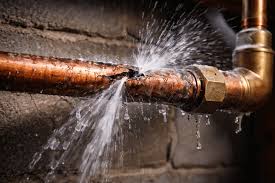
Once the water is off and the electricity is handled, try to find exactly where the pipe burst. Common signs include:
- A visible crack, split, or hole in a pipe
- A section of drywall that is wet, bubbling, or discolored
- Water pooling on the floor or dripping from the ceiling
- A hissing or rushing water sound coming from inside a wall
Common places for pipes to burst include:
- Exterior walls — pipes here are exposed to cold temperatures and more likely to freeze and burst in winter
- Under sinks — these pipes are often older and more prone to corrosion
- Behind walls or ceilings — water stains or soft spots in drywall are a giveaway
- In the basement — especially near the foundation where temperatures fluctuate
Knowing the location will help you communicate with your plumber and speed up the repair.
Step 5: Document the Damage
Before you start cleaning anything up, take photos and video of everything. Walk through every affected area and document:
- The burst pipe itself if visible
- Water damage on walls, floors, ceilings, and furniture
- Any belongings that have been damaged
- The general scope of flooding or water spread
This documentation is critical for your homeowners insurance claim. The more thorough you are now, the smoother the claims process will be later.
Step 6: Start Removing Water
The longer water sits, the more damage it does. Mold can start to develop in as little as 24 to 48 hours, so getting the water out quickly is important.
Here’s how to remove water as fast as possible:
- Mop and towels — good for small amounts of water on hard floors
- Wet/dry shop vac — essential for larger spills, works on both hard floors and carpet
- Buckets — useful for collecting dripping water from ceilings
- Open windows and doors — improves airflow and helps with drying
- Fans and dehumidifiers — run these continuously to dry out walls and floors
Move wet furniture, rugs, and belongings out of the affected area if possible. If items are soaked, stand them upright to help them dry or move them outside.
Step 7: Call an Emergency Plumber
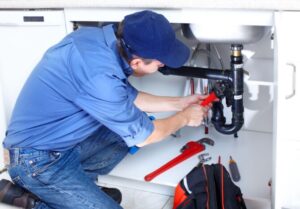
A burst pipe is not a DIY repair — at least not permanently. While you may be able to apply a temporary patch to slow the leak, the underlying cause needs to be diagnosed and properly fixed by a licensed plumber.
Call an emergency plumber as soon as possible. When you call, be ready to tell them:
- Where the burst pipe is located (which room, inside a wall, under a sink, etc.)
- What the water damage looks like
- Whether you’ve already shut off the main water supply
- How long the water was flowing before you noticed it
A good emergency plumber will be available 24/7, respond quickly, and give you a clear estimate before starting work.
If you’re not sure who to call, Plumber Finder Near Me connects homeowners with trusted emergency plumbers across all 50 states — search your area and get connected fast.
Step 8: Call Your Insurance Company
Once you’ve got a plumber on the way, call your homeowners insurance company. Most standard policies cover sudden and accidental water damage from burst pipes — but they don’t always cover damage from long-term neglect or slow leaks you ignored.
When you call, tell them:
- What happened and when you noticed it
- What steps you’ve already taken (shut off water, removed standing water, etc.)
- That you’ve documented the damage with photos and video
An adjuster will likely come out to assess the damage. Having your documentation ready will make this process much faster.
Why Do Pipes Burst?
Understanding why pipes burst can help you prevent it from happening again. The most common causes are:
Freezing temperatures — This is the most common cause. When water freezes inside a pipe, it expands and puts enormous pressure on the pipe walls. Pipes in exterior walls, attics, crawl spaces, and garages are most at risk. Even a brief period of temperatures below freezing can cause a pipe to burst.
Corrosion — Older pipes, especially galvanized steel or iron, corrode over time. The walls of the pipe weaken and eventually give way. If your home is more than 30 years old and has never had the plumbing updated, corrosion could be a risk.
High water pressure — Most homes should have water pressure between 40 and 80 PSI. If your pressure is consistently higher than that, it puts stress on your pipes, joints, and fixtures and can eventually cause a burst. A plumber can test your pressure and install a pressure reducing valve if needed.
Physical damage — Pipes can be cracked or punctured during home renovations, by driving stakes into the ground, or even by tree roots growing into underground lines.
Clogs and blockages — Severe clogs create pressure buildup behind the blockage. Over time, that pressure can cause a weak section of pipe to give way.
How to Prevent Pipes from Bursting
A few simple precautions can dramatically reduce your risk of a burst pipe:
- Insulate exposed pipes in cold areas like the garage, attic, crawl space, and exterior walls — especially before winter
- Keep the heat on even when you’re away from home in winter — a temperature of at least 55°F keeps pipes from freezing
- Let faucets drip on extremely cold nights — moving water is less likely to freeze
- Know where your shut-off valve is so you can act fast if something does go wrong
- Have your plumbing inspected every few years, especially in older homes
- Fix small leaks immediately — a dripping faucet or slow leak under a sink can be a warning sign of bigger problems to come
When to Call an Emergency Plumber vs. Waiting Until Morning
If a pipe bursts, call an emergency plumber immediately — don’t wait until morning. Every hour that passes means more water damage, higher repair costs, and a greater risk of mold.
Emergency plumbers typically charge more for after-hours calls, but the cost of the emergency call is almost always far less than the cost of the additional damage that would occur overnight.
The only exception is if the water is fully shut off, the damage is contained, and the affected area is completely dry — in that case, calling first thing in the morning may be acceptable. But when in doubt, call now.
Final Thoughts
A burst pipe is an emergency, but it doesn’t have to be a disaster. Shut off the water, handle the electricity, document everything, and get a plumber on the phone. The faster you act, the less damage you’ll deal with.
If you need an emergency plumber right now, search your area on Plumber Finder Near Me to find a trusted, local plumber available 24/7.