How Does a Septic Tank Work? A Homeowner’s Guide
If your home isn’t connected to a municipal sewer system, chances are you rely on a septic tank to manage your household waste. Millions of American homes use septic systems, yet most homeowners have no idea how they actually work — until something goes wrong.
Understanding your septic system can help you avoid costly repairs, know when to call a plumber, and keep your system running for decades.
What Is a Septic Tank?
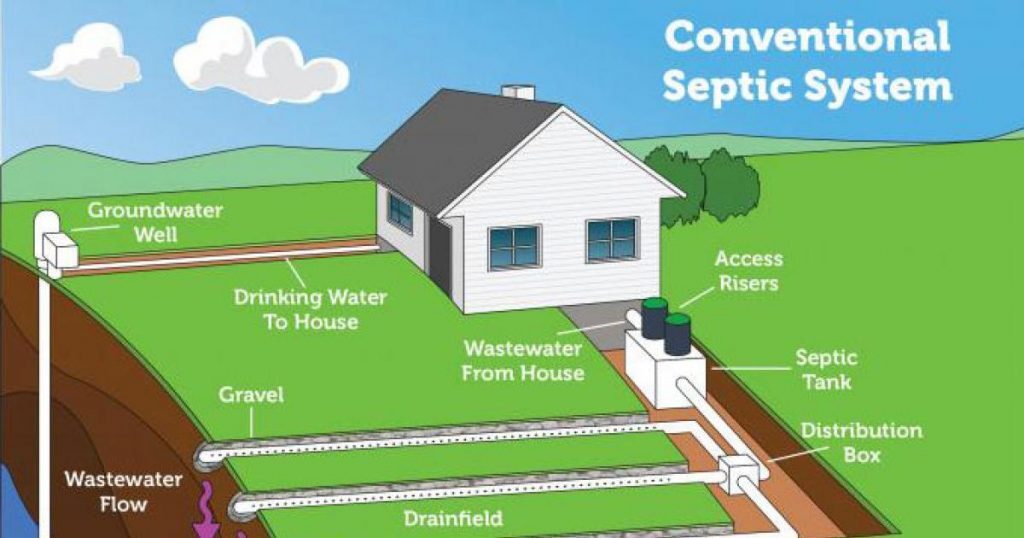
A septic tank is an underground watertight container, usually made of concrete, fiberglass, or polyethylene, that collects and treats all the wastewater from your home. Every time you flush a toilet, run the dishwasher, or take a shower, that water flows through your pipes and into the septic tank.
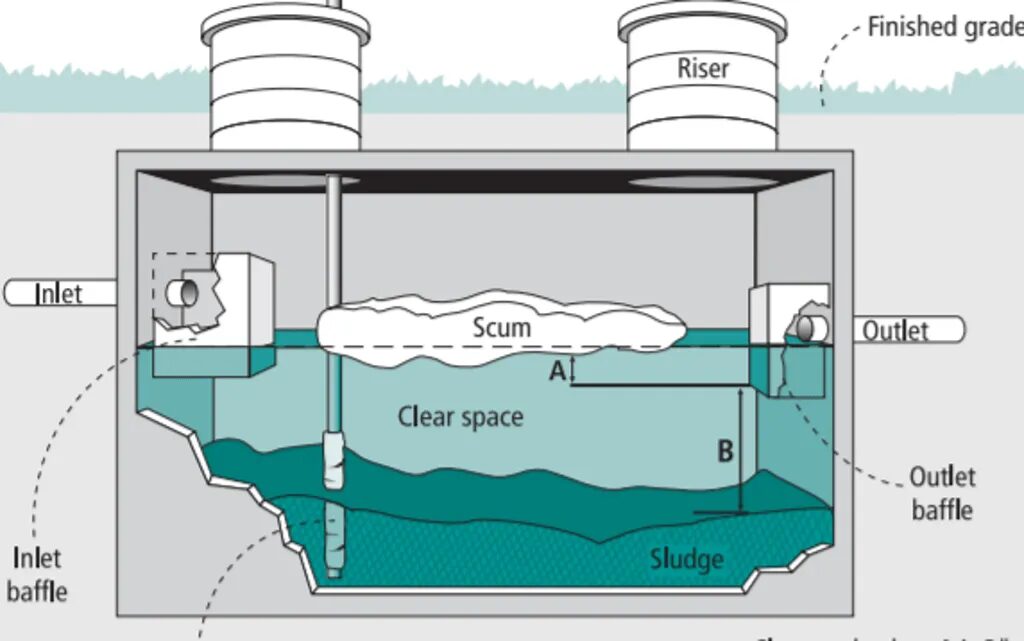
The Three Layers Inside a Septic Tank
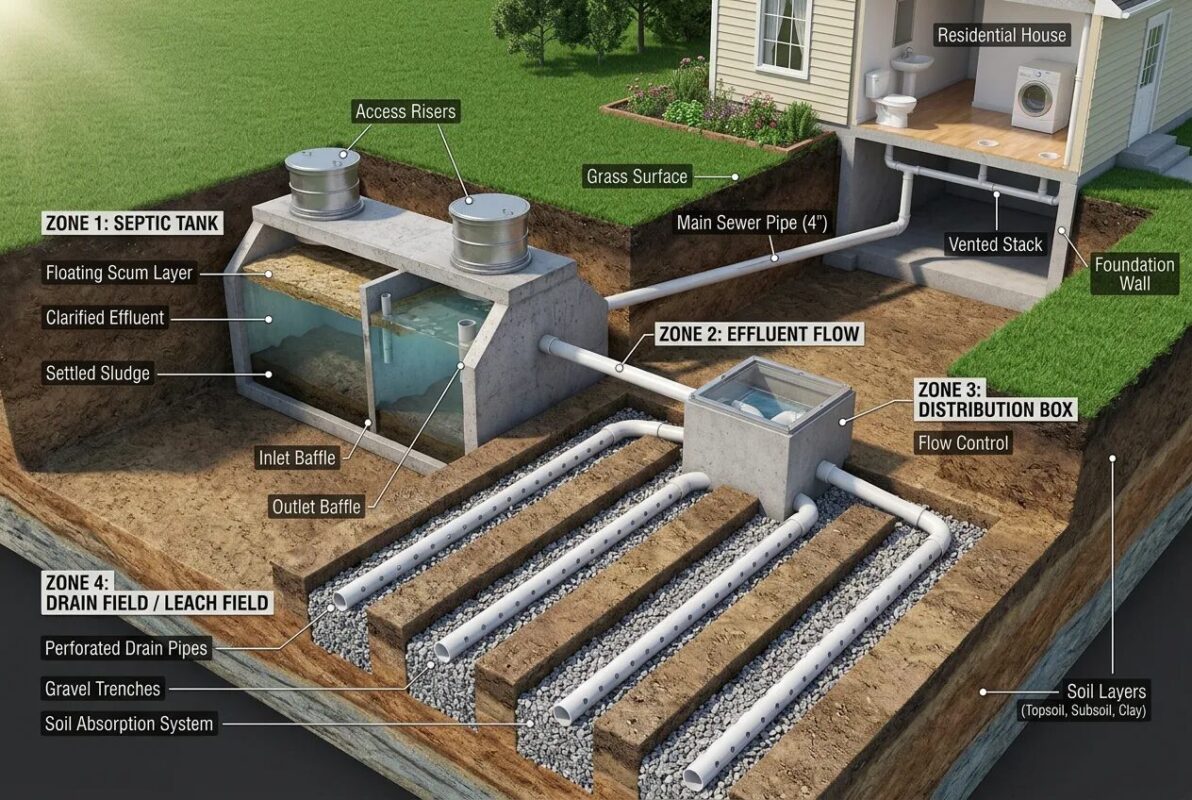
Once wastewater enters the tank, it naturally separates into three distinct layers:
Scum — Fats, oils, and grease float to the top and form the scum layer.
Effluent — The middle layer is relatively clear liquid called effluent. This is the layer that flows out of the tank and into the drain field.
Sludge — Solid waste and heavy particles sink to the bottom and form sludge. Bacteria in the tank break this down over time.
How Wastewater Gets Treated
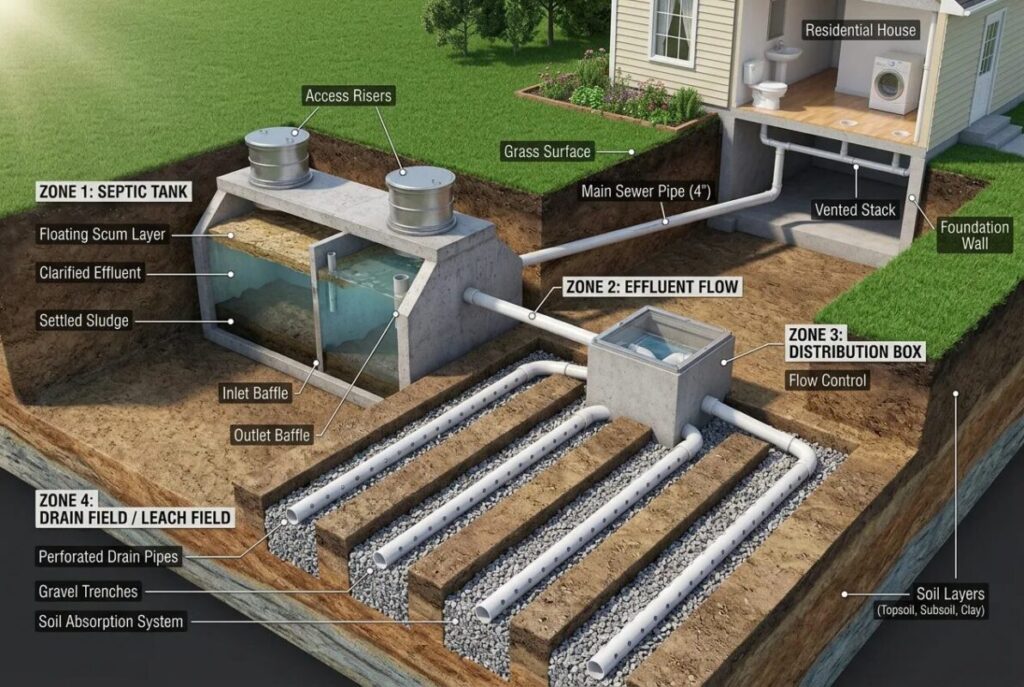
The treatment process happens in two stages:
Stage 1 — Inside the Tank Anaerobic bacteria (bacteria that live without oxygen) naturally break down the solid waste in the sludge layer. This process reduces the volume of solids over time, but never eliminates them completely — which is why septic tanks need to be pumped every 3 to 5 years.
Stage 2 — The Drain Field The liquid effluent flows out of the tank through an outlet pipe and into the drain field, also called a leach field. The drain field is a series of perforated pipes buried in gravel-filled trenches. As the effluent slowly seeps through the gravel and into the surrounding soil, naturally occurring bacteria in the soil filter out harmful pathogens and contaminants before the water reaches the groundwater table.
Signs Your Septic System Needs Attention
Catching problems early can save you thousands of dollars. Watch out for these warning signs:
- Slow drains throughout the house
- Gurgling sounds from toilets or drains
- Sewage odors inside or outside your home
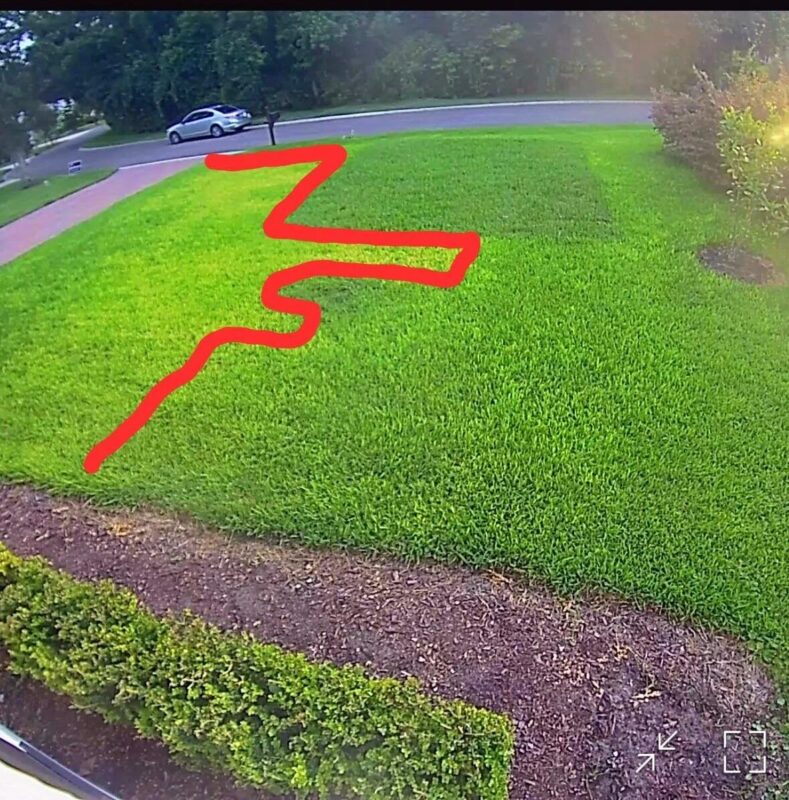
- Wet or unusually green patches of grass over the drain field
- Sewage backing up into sinks or tubs
If you notice any of these signs, stop using water as much as possible and call an emergency plumber immediately.
How to Keep Your Septic System Healthy
A well-maintained septic system can last 25 to 30 years. Here are the most important things you can do:
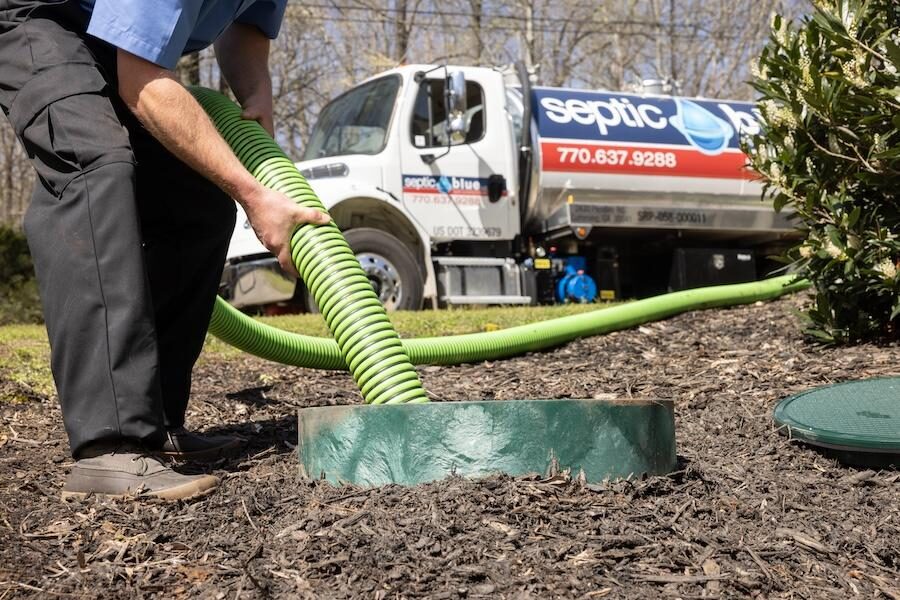
Pump it regularly — Have your tank pumped every 3 to 5 years depending on household size and usage.
Watch what you flush — Never flush wipes (even “flushable” ones), feminine hygiene products, paper towels, or medications. These don’t break down and will clog your system.
Protect the drain field — Never park vehicles, plant trees, or build structures over your drain field. Tree roots are one of the most common causes of drain field damage.
Use water efficiently — Overloading the system with too much water at once can push solids into the drain field before they’ve been properly treated. Spread laundry loads throughout the week instead of doing them all in one day.
Use septic-safe products — Harsh chemical drain cleaners and antibacterial soaps can kill the beneficial bacteria your tank needs to function.
When to Call a Plumber
Not every septic issue requires an emergency, but some situations need immediate professional attention:
- Sewage is backing up into your home
- You smell sewage odors near your drain field
- Your drain field is visibly saturated or flooded
- It has been more than 5 years since your last pump-out
A licensed plumber or septic specialist can inspect your system, pump the tank, and identify any damage before it becomes a major problem.
Final Thoughts
Your septic system works quietly underground every single day, and most homeowners never think about it — until there’s a problem. A little knowledge and regular maintenance go a long way toward keeping your system healthy and your home safe.
If you’re experiencing any septic issues or just need a professional inspection, find an emergency plumber near you today.